



Subsidies for home insulation and energy saving


Subsidies for home insulation and energy saving
The energy transition is in full swing. To encourage homeowners to make their homes more sustainable, the government is offering various subsidies for home insulation and energy savings. These subsidies make it more attractive to invest in an energy-efficient home, resulting in lower energy costs and greater living comfort.

Why subsidies for home insulation?
A well-insulated home loses less heat, which reduces energy consumption. This is not only good for the climate, but also for your wallet. However, the initial investment costs are a barrier for many homeowners. The government is lowering this barrier with subsidies and accelerating the sustainability of the built environment.
What measures are eligible?
Subsidies mainly focus on measures that directly contribute to energy savings. Common examples include:
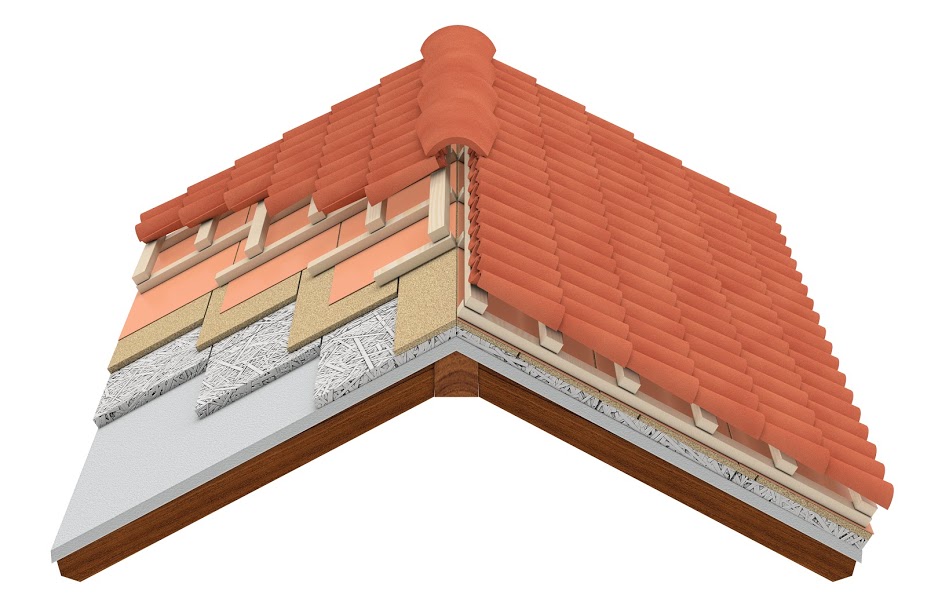
- Roof insulation
- Cavity wall insulation and facade insulation
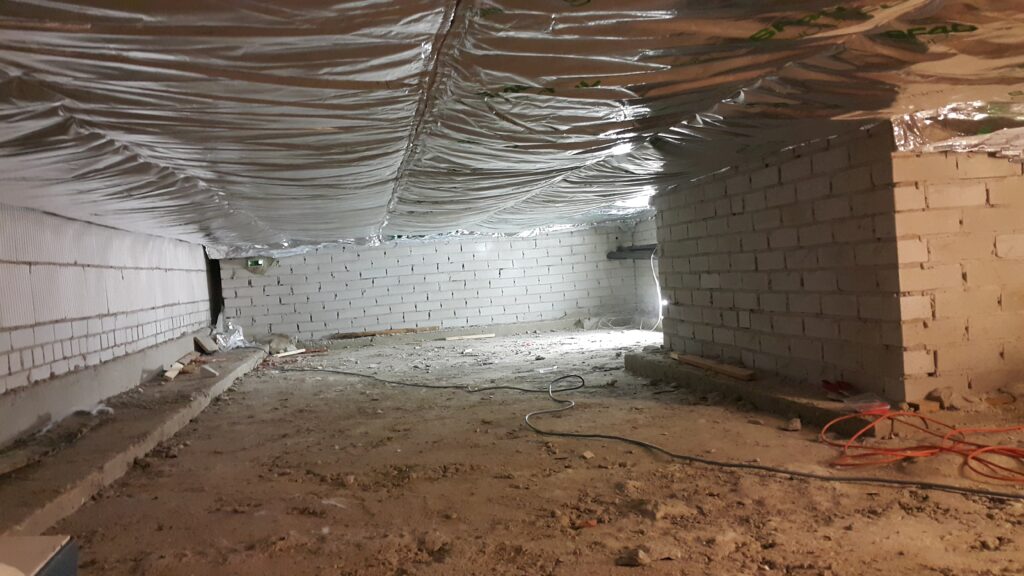
- Floor and ground insulation
- HR++ or triple glazing
- Insulated doors and frames
- Energy-efficient ventilation solutions
In many cases, the better the insulation value, the higher the subsidy.
Who are the subsidies intended for?
Most schemes are intended for:
- Owner-occupiers of owner-occupied homes
- Homeowners' Associations (HOAs)
- In some cases, landlords or private investors as well
A common requirement is that the property is an existing home and that the work is carried out by a certified company.
Combining pays off
An important advantage is that subsidies are often higher when multiple measures are combined. For example, by installing both roof and floor insulation, the financial support can increase significantly. This encourages homeowners to take bigger steps towards an energy-efficient home in one go.
Requests and points of attention
When applying for subsidies, it is important to take the following into account:
- Technical requirements for materials and execution
- Supporting documents such as invoices and photographs
- Deadlines for implementation and application
Good preparation prevents disappointment and ensures that you get the most out of the subsidy.
Investing in the future
Subsidies for home insulation and energy saving make sustainability more accessible. In addition to lower energy costs, these measures ensure greater comfort, higher home value, and a future-proof home. Those who make smart use of the available schemes are not only investing in their home, but also in a sustainable living environment.




Subsidies for home insulation and energy saving
Energy label F
Homes with energy label F are among the most energy-inefficient homes in the Netherlands. It is the second-worst energy label, just above energy label G. These labels are often referred to as orange and red because of their very high energy consumption and the unnecessarily high energy costs that come with it.
In addition, an inefficient energy label usually results in a lower property value and slower sales. Renewable Partners explains exactly what an F label means, what conditions apply, and how you can make your home more sustainable in a smart and affordable way.